Filter by

Time and identity
The concepts of time and identity seem at once unproblematic and frustratingly difficult. Time is an intricate part of our experience—it would seem that the passage of time is a prerequisite for having any experience at all—and yet recalcitrant questions about time remain. Is time real? Does time flow? Do past and future moments exist? Philosophers face similarly stubborn questions about id…
- Edition
- -
- ISBN/ISSN
- 9780262265799
- Collation
- 1 online resource (vi, 330 pages).
- Series Title
- -
- Call Number
- -

Supertagging :using complex lexical descriptions in natural language processing
The last decade has seen computational implementations of large hand-crafted natural language grammars in formal frameworks such as Tree-Adjoining Grammar (TAG), Combinatory Categorical Grammar (CCG), Head-driven Phrase Structure Grammar (HPSG), and Lexical Functional Grammar (LFG). Grammars in these frameworks typically associate linguistically motivated rich descriptions (Supertags) with word…
- Edition
- -
- ISBN/ISSN
- 9780262312486
- Collation
- 1 online resource (xxiii, 488 pages :illustrations)
- Series Title
- -
- Call Number
- -

Streetlights and shadows :searching for the keys to adaptive decision making
In making decisions, when should we go with our gut and when should we try to analyze every option? When should we use our intuition and when should we rely on logic and statistics? Most of us would probably agree that for important decisions, we should follow certain guidelines—gather as much information as possible, compare the options, pin down the goals before getting started. But in prac…
- Edition
- -
- ISBN/ISSN
- 9780262259019
- Collation
- 1 online resource (xi, 337 pages) :illustrations, maps
- Series Title
- -
- Call Number
- -
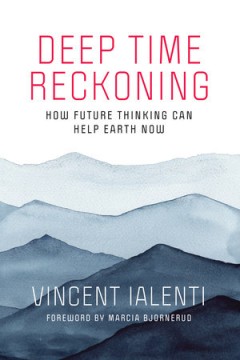
Deep time reckoning :how future thinking can help earth now
"How Finland's nuclear waste experts discern far future Earths, and what the rest of us non-Finns and non-experts can learn from them"--OCLC-licensed vendor bibliographic record.
- Edition
- -
- ISBN/ISSN
- 9780262359368
- Collation
- 1 online resource.
- Series Title
- -
- Call Number
- -
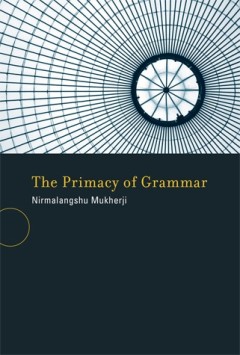
The primacy of grammar
The contemporary discipline of biolinguistics is beginning to have the feel of scientific inquiry. Biolinguistics—especially the work of Noam Chomsky—suggests that the design of language may be “perfect”: language is an optimal solution to conditions of sound and meaning. What is the scope of this inquiry? Which aspect of nature does this science investigate? What is its relation to the…
- Edition
- -
- ISBN/ISSN
- 9780262280310
- Collation
- 1 online resource (xix, 278 pages) :illustrations, music
- Series Title
- -
- Call Number
- -
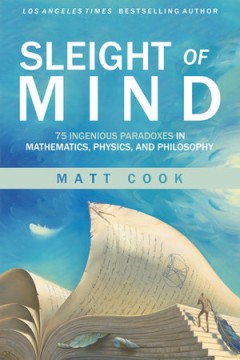
Sleight of mind :75 ingenious paradoxes in mathematics, physics, and philosophy
Exploring more than seventy-five well-known paradoxes in mathematics, philosophy, physics, and the social sciences showing how reason and logic can dispel the illusion of contradiction. Paradox is a sophisticated kind of magic trick. A magician's purpose is to create the appearance of impossibility, to pull a rabbit from an empty hat. Yet paradox doesn't require tangibles, like rabbits or hats.…
- Edition
- -
- ISBN/ISSN
- 9780262356893
- Collation
- 1 online resource (368 pages).
- Series Title
- -
- Call Number
- -
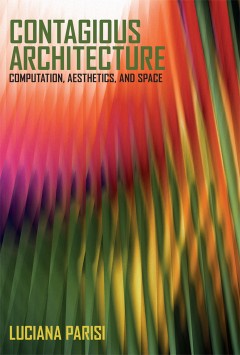
Bioethics in the age of new media / Computation, Aesthetics, and Space
Joanna Zylinska examines the ethical challenges presented by technology to the allegedly sacrosant idea of the human & makes a proposal for a new ethics of life rooted in the philosophy of
- Edition
- -
- ISBN/ISSN
- -
- Collation
- 1 online resource (xv, 230 pages)
- Series Title
- -
- Call Number
- -
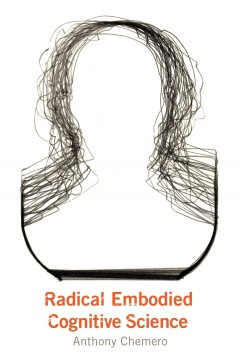
Radical embodied cognitive science
While philosophers of mind have been arguing over the status of mental representations in cognitive science, cognitive scientists have been quietly engaged in studying perception, action, and cognition without explaining them in terms of mental representation. In this book, Anthony Chemero describes this nonrepresentational approach (which he terms radical embodied cognitive science), puts it i…
- Edition
- -
- ISBN/ISSN
- 9780262258678
- Collation
- 1 online resource (xiv, 252 pages) :illustrations.
- Series Title
- -
- Call Number
- -
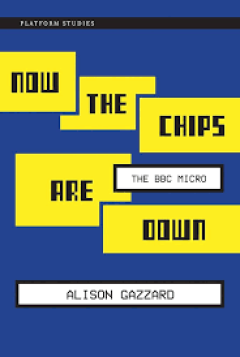
Now the Chips Are Down: The BBC Micro
The story of a pioneering microcomputer: its beginnings as part of a national Computer Literary Project, its innovative hardware, and its creative uses.OCLC-licensed vendor bibliographic record.
- Edition
- -
- ISBN/ISSN
- 9780262334303
- Collation
- 1 online resource (xi, 206 pages) :illustrations.
- Series Title
- -
- Call Number
- -
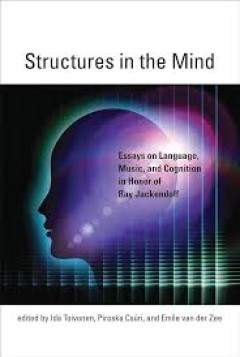
Structures in the Mind: Essays on Language, Music, and Cognition in Honor of …
The introduction includes appreciations of Ray Jackendoff by various authors.OCLC-licensed vendor bibliographic record.
- Edition
- -
- ISBN/ISSN
- 9780262331791
- Collation
- 1 online resource (xxxiv, 404 pages) :illustrations
- Series Title
- -
- Call Number
- -
 Computer Science, Information & General Works
 Philosophy & Psychology
 Religion
 Social Sciences
 Language
 Pure Science
 Applied Sciences
 Art & Recreation
 Literature
 History & Geography