Filter by
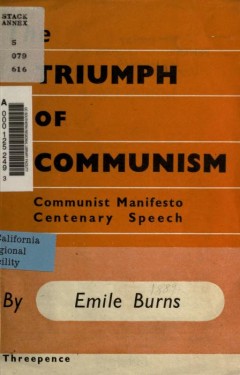
The triumph of communism : communist manifesto centenary speech
- Edition
- -
- ISBN/ISSN
- -
- Collation
- 15 p
- Series Title
- -
- Call Number
- 320 BUR t
- Edition
- -
- ISBN/ISSN
- -
- Collation
- 15 p
- Series Title
- -
- Call Number
- 320 BUR t


A spray of Wattle-blossom : Australian stories
- Edition
- -
- ISBN/ISSN
- -
- Collation
- 247 p. ; 20 cm
- Series Title
- -
- Call Number
- 823 WAT s
- Edition
- -
- ISBN/ISSN
- -
- Collation
- 247 p. ; 20 cm
- Series Title
- -
- Call Number
- 823 WAT s
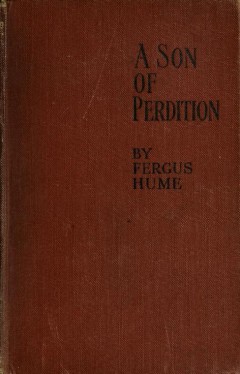
A son of perdition : an occult romance
- Edition
- -
- ISBN/ISSN
- -
- Collation
- ix, 403 p. ; 19 cm
- Series Title
- -
- Call Number
- 823 HUM s
- Edition
- -
- ISBN/ISSN
- -
- Collation
- ix, 403 p. ; 19 cm
- Series Title
- -
- Call Number
- 823 HUM s

The Producer as Composer: Shaping the Sounds of Popular Music
The evolution of the record producer from organizer to auteur, from Phil Spector and George Martin to the rise of hip-hop and remixing. In the 1960s, rock and pop music recording questioned the convention that recordings should recreate the illusion of a concert hall setting. The Wall of Sound that Phil Spector built behind various artists and the intricate eclecticism of George Martin's rec…
- Edition
- -
- ISBN/ISSN
- 9780262335195
- Collation
- -
- Series Title
- -
- Call Number
- -

Classic myth and legend
- Edition
- -
- ISBN/ISSN
- -
- Collation
- xvi, 443 p., [21] leaves of plates : 20 cm,Includes index
- Series Title
- -
- Call Number
- -
- Edition
- -
- ISBN/ISSN
- -
- Collation
- xvi, 443 p., [21] leaves of plates : 20 cm,Includes index
- Series Title
- -
- Call Number
- -

The works of James Fenimore Cooper Volume 7: The Heidenmauer
Contrary to a long-established usage, a summer had been passed within the walls of a large town : but, the moment of liberation arrived, the bird does not quit its cage with greater pleasure, than that with which post-horses were commanded. We were four in a light travelling caliche, which strong Norman cattle transported merrily towards their native province. For a time we quitted Paris, the q…
- Edition
- -
- ISBN/ISSN
- -
- Collation
- 32 v. 22 cm,Title vignettes
- Series Title
- 3
- Call Number
- 820
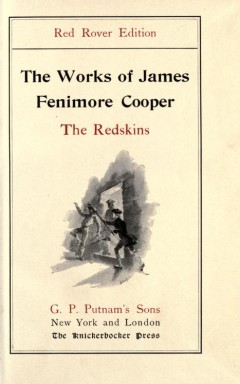
The works of James Fenimore Cooper Volume 10: Jack Tier
THIS work has already appeared in Graham's Magazine, under the title of " Rose Budd." The change of name is solely the act of the author, and arises from a conviction that the appellation given in this publication is more appropriate than the one laid aside. The necessity of writing to a name, instead of getting it from the incidents of the book itself, has been the cause of this departure from…
- Edition
- -
- ISBN/ISSN
- -
- Collation
- 32 v. 22 cm,Title vignettes
- Series Title
- 1
- Call Number
- 820

The works of James Fenimore Cooper Volume 32: Wyandotte
THE history of the borders is filled with legends of the sufferings of isolated families, during the troubled scenes of colonial warfare. Those which we now offer to the reader are distinctive in many of their leading facts, if not rigidly true in the details. The first alone is necessary to the legitimate objects of fiction. One of the misfortunes of a nation is to hear little besides its o…
- Edition
- -
- ISBN/ISSN
- -
- Collation
- 32 v. 22 cm,Title vignettes
- Series Title
- 23
- Call Number
- 820

The Mantle of Caesar
Caesar's mythical being has come to the fore again and again, from the time of the feuds between emperor and pope down to Napoleon. An imperial title takes its name from his position in history; a mode of government is named for his activity. The turning points of his life, the Rubicon, Cato, Brutus, have remained alive not only as poets' fancies, but also as battle-cries, and to this day his p…
- Edition
- -
- ISBN/ISSN
- -
- Collation
- vi, 319 p. ; 23 cm
- Series Title
- -
- Call Number
- 321.03
 Computer Science, Information & General Works
  Philosophy & Psychology
  Religion
  Social Sciences
  Language
  Pure Science
  Applied Sciences
  Art & Recreation
  Literature
  History & Geography